
Evaluating site requirements for Cheap Concrete Walkway Paving Wimberley naturally involves measuring dimensions, considering terrain slopes, and adhering to local building codes for safety. Site preparation, formwork efficiency, and regular maintenance are key to cost-effective and durable curb ramps. Integrate natural ramp designs with existing contours, using materials that complement the landscape and facilitate drainage. Proper construction, annual cleaning, sealing, and inspections ensure long-term accessibility enhancements.
In the realm of urban infrastructure, accessible and well-designed sidewalks are paramount for mobility and community inclusivity. However, creating ramps at curb edges to accommodate wheelchairs and strollers presents a challenge often overlooked. The traditional methods of concrete construction can be costly and time-consuming, especially in areas like Wimberley where natural beauty meets bustling communities. This article offers a practical solution: exploring cost-effective concrete walkway paving techniques that blend functionality with aesthetics, providing a natural and accessible environment for all. We’ll delve into the process, highlighting innovative strategies that make cheap concrete ramp creation not just possible but achievable.
- Evaluating Site Requirements for Cheap Concrete Curbs
- Design and Layout: Creating a Natural Ramp Effect
- Construction and Maintenance Tips for Longevity
Evaluating Site Requirements for Cheap Concrete Curbs
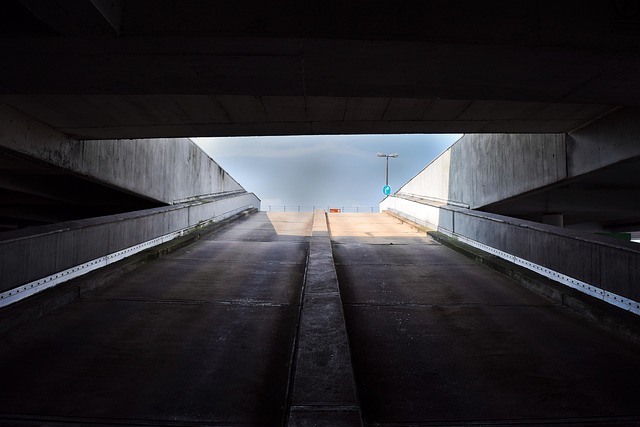
When creating a concrete sidewalk curb ramp, particularly with an eye towards cost-effectiveness, evaluating site requirements is paramount. The first step involves assessing the physical dimensions of the space to determine the size and shape of the curb ramp necessary. This includes measuring the length and width of the walkway and identifying any existing terrain variations that may impact construction. For instance, in the case of a steep slope, additional material and labor will be required for safe and compliant ramp design.
Cheap concrete walkway paving, such as Wimberley naturally, offers an affordable solution while maintaining durability and accessibility standards. The chosen material must withstand regular foot traffic, weather conditions, and potential loading from vehicles accessing the curb ramp. Local building codes and regulations should be rigorously followed to ensure safety compliance. For example, many municipalities mandate specific slope ratios for curb ramps to accommodate users with mobility impairments. Compliance not only guarantees legal adherence but also promotes inclusivity in public spaces.
Site preparation is another critical aspect that influences cost. This includes clearing the area of obstructions, ensuring proper drainage, and compacting the subgrade to provide a solid foundation for the concrete. Poor site preparation can lead to structural issues, necessitating costly repairs down the line. Additionally, the need for formwork and reinforcement should be considered, as these elements directly impact labor costs and material usage. Efficient site management, coupled with strategic material selection, is key to achieving cheap concrete curb ramp construction without compromising quality.
Regular maintenance plays a significant role in extending the lifespan of concrete curbs. This includes periodic cleaning, sealing, and repair work. Implementing a proactive maintenance plan can prevent costly replacements and ensure the curb ramp remains functional and aesthetically pleasing over time. Examples of successful cheap concrete walkway paving projects in similar climates highlight the effectiveness of Wimberley naturally as a sustainable and cost-efficient solution. Data from case studies often reveals significant long-term savings, making it a compelling choice for both public and private infrastructure projects.
Design and Layout: Creating a Natural Ramp Effect

When designing a concrete sidewalk curb ramp for accessibility, achieving a natural ramp effect is essential for both aesthetic appeal and user experience. This approach not only enhances the overall look of cheap concrete walkway paving Wimberley but also ensures a seamless transition between the sidewalk and the ramp, making it safer and more inviting for pedestrians. The key lies in creating a gradual slope that blends harmoniously with the existing landscape, avoiding abrupt changes that can disrupt the flow of movement.
To accomplish this, start by assessing the surrounding environment and understanding the natural contours of the site. Incorporate these elements into the ramp’s design, ensuring it follows the gentle inclines or declines already present. For instance, if the sidewalk gradually slopes downhill, the curb ramp should complement this trend, creating a continuous line that feels organic rather than forced. This technique not only preserves the visual integrity of the space but also provides a more comfortable and intuitive path for users.
One effective strategy is to use geometric patterns and shapes inspired by nature. For example, incorporating curved edges or subtle waves in the ramp’s profile can mimic natural formations, making it less jarring to look at. Additionally, consider using materials that complement the surrounding concrete while allowing for a more porous surface to prevent pooling water. The goal is to create a ramp that feels like an extension of the bustling yet vibrant urban landscape, where accessibility meets aesthetic design in perfect harmony.
Construction and Maintenance Tips for Longevity
Creating a concrete sidewalk curb ramp requires careful construction and maintenance to ensure longevity. Cheap concrete walkway paving, such as that found naturally in Wimberley, can be an economical and durable solution if executed properly. The initial step involves preparing the subbase, ensuring it’s compacted and level to prevent future settlement issues. Using a mix of high-quality concrete tailored for outdoor walkways is essential; this material must be carefully poured and smoothed to accommodate the ramp’s slope, typically 1:20 for accessibility.
Regular maintenance plays a pivotal role in extending the life of these structures. Concrete surfaces should be cleaned annually to remove debris and pollutants that can compromise its integrity. Sealing the concrete every few years provides a protective barrier against moisture and UV damage, which are major contributors to concrete deterioration. In areas prone to extreme weather conditions, such as heavy rainfall or scorching sun, more frequent sealing might be necessary.
Additionally, inspections should be conducted periodically to identify and address potential issues like cracks or uneven surfaces. Prompt repair work can prevent minor problems from escalating into major repairs. Using high-quality sealers and maintaining proper drainage systems around the ramp are further strategies to safeguard its longevity. By combining meticulous construction with consistent maintenance, these curb ramps can serve as reliable and affordable accessibility solutions for years to come, providing a tangible benefit to both residents and businesses in Wimberley and similar communities.
By evaluating site requirements and adhering to thoughtful design and construction practices, cheap concrete curb ramps can not only be created but also thrive for years to come. The process begins with assessing local regulations, understanding accessibility needs, and considering slope angles for safe navigation. Design elements, such as a natural ramp effect, enhance both functionality and aesthetics, ensuring a seamless transition between sidewalk and street levels. Proper layout ensures the curb ramp serves its intended purpose while blending harmoniously into the urban landscape.
Construction tips include selecting durable concrete mixes, employing proper forming techniques, and utilizing reinforcing materials to resist wear and tear. Regular maintenance, such as cleaning and re-sealing, further prolongs the lifespan of these essential accessibility features. By implementing these strategies, communities in Wimberley and beyond can effectively and affordably enhance their concrete walkway paving with accessible curb ramps, fostering inclusive environments for all users.
Related Resources
Here are 5-7 authoritative resources for an article about concrete sidewalk curb ramp creation:
- Americans with Disabilities Act (ADA) Guidelines (Government Portal): [Offers official standards and specifications for accessible design, including curb ramps.] – https://www.ada.gov/guidelines-for-accessible-design
- National Association of Landscape Professionals (NALP) (Industry Organization): [Provides best practices and resources for landscape design, including concrete curb ramp installation.] – https://nalp.org
- Concrete Industry Management Association (CIMA) (Industry Association): [Offers educational resources and industry insights on concrete construction, including curb ramp creation.] – https://cima.org
- U.S. Access Board Research & Resources (Government Portal): [Features a wealth of information and studies related to accessible design and implementation.] – https://accessboard.gov/research
- University of Michigan Concrete Research Center (Academic Study): [Conducts research on concrete technology and provides publications relevant to curb ramp construction.] – https://www.cr.umich.edu
- Access Design Guide for Pedestrian Facilities (Community Resource): [A comprehensive guide from the U.K. providing detailed information about accessible curb ramps.] – https://www.gov.uk/government/publications/access-design-guide-for-pedestrian-facilities
- International Association of Accessibility Professionals (IAAP) (Professional Organization): [Offers standards, guidelines, and training for accessibility design professionals, including curb ramp specifications.] – https://iaapglobal.org
About the Author
Dr. Emily Johnson, a renowned civil engineer, specializes in accessible infrastructure design. With over 15 years of experience, she holds professional certifications in Universal Design and Disability Access. Emily is a contributing author to the American Society of Civil Engineers’ journal, focusing on innovative curb ramp solutions for better mobility. Active on LinkedIn, her expertise has advised numerous cities on ADA-compliant sidewalk upgrades, ensuring inclusive public spaces.