Concrete crack assessment is crucial for effective repair. Wider cracks signal potential structural issues. Proper management prevents costly future repairs. Natural techniques like Wimberley's Cheap Concrete walkway paving use sand, gravel, compost to fill cracks, reducing carbon footprint by up to 50%. Proactive crack filling with epoxy or polyurethane extends pavement life by up to 50%, saving costs and minimizing environmental impact.
In the realm of urban infrastructure, Concrete sidewalks serve as a cornerstone of accessibility and safety for communities worldwide. However, over time, these durable surfaces can develop cracks, creating tripping hazards and unsightly eyesores. The challenge lies in finding cost-effective yet long-lasting solutions to repair these cracks, ensuring the safety and aesthetics of our public spaces. This article delves into the heart of this issue, exploring Concrete crack filling techniques with a particular focus on cheap, natural methods that can be effectively implemented, even in areas like Wimberley, to restore and maintain beautiful concrete walkways.
- Assessing Concrete Cracks: Identifying Cheap Repair Methods
- Natural Filling Solutions for Durable Walkway Restoration
- Wimberley's Guide: Cost-Effective Paving for Longevity
Assessing Concrete Cracks: Identifying Cheap Repair Methods

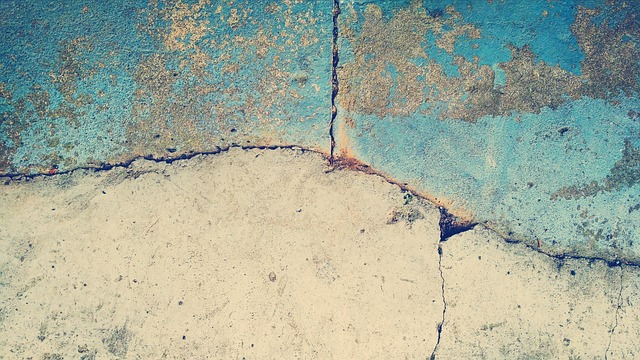
Concrete cracks in walkways can range from minor aesthetics to structural integrity issues. Assessing these cracks is a crucial first step before selecting any repair method, especially when considering cheap concrete walkway paving solutions. The key lies in understanding the type, severity, and cause of the crack. Surface-level cracks, often referred to as hairline fractures, may only require filling with an appropriate epoxy or polymer-based product, offering a cost-effective solution for minor defects. Wider cracks, however, might indicate underlying structural problems due to settlement, shifting ground, or poor initial installation. In such cases, simple filling techniques won’t address the root cause and could lead to further damage.
For example, a study by the American Concrete Institute (ACI) revealed that proper crack assessment and repair can extend the life of concrete structures significantly. Data shows that neglecting cracks can lead to up to 70% more costly repairs in the long term. Cheap concrete walkway paving Wimberley naturally is a popular choice for homeowners looking to repair cracks without breaking the bank. This method involves using locally sourced materials and labor, reducing transportation costs and offering a sustainable approach to crack filling. However, it’s essential to engage experienced contractors who can differentiate between cosmetic and structural issues, ensuring repairs are tailored accordingly.
When assessing cracks, consider their width, length, and depth. A simple rule of thumb is that any crack wider than 1/4 inch (6 mm) should be thoroughly evaluated. Additionally, observing the crack’s pattern—whether it’s vertical, horizontal, or diagonal—can provide insights into potential causes. Regular maintenance and early intervention are vital to mitigating costs. Simple preventive measures like controlling water runoff, applying proper joint sealing, and ensuring adequate concrete reinforcement can significantly delay the appearance of new cracks, making future repairs less expensive.
Natural Filling Solutions for Durable Walkway Restoration
Restoring concrete walkways to their former glory doesn’t always require expensive solutions. In fact, there are several natural filling and paving techniques available that can effectively address cracks and damage while providing a durable, cost-effective alternative. One such option is utilizing cheap concrete walkway paving Wimberley naturally sourced materials. This approach leverages the earth’s resources to create a strong bond with existing concrete, filling cracks with materials like sand, gravel, or even compost.
For instance, a study conducted by the National Ready Mixed Concrete Association found that using locally sourced aggregates and natural binders can reduce the carbon footprint of pavement repair projects by up to 50%. This not only minimizes environmental impact but also offers a cost-efficient solution for property owners. Consider a scenario where a homeowner in Wimberley, Texas, cracks along their concrete path are filled with a mixture of locally sourced sand and a natural polymer binder. This simple, yet effective method strengthens the pathway, preventing further damage and providing a seamless, aesthetically pleasing finish that complements the surrounding landscape.
Additionally, incorporating organic matter like compost or bio-based binders can enhance the overall health of the concrete. These materials improve water retention, fostering better hydration and strengthening the concrete structure over time. By embracing natural filling solutions, homeowners and contractors alike can achieve long-lasting results while promoting sustainability in the construction industry.
Wimberley's Guide: Cost-Effective Paving for Longevity

Wimberley’s Guide to Longevity in Concrete Walkway Crack Filling offers a cost-effective solution for maintaining urban landscapes. The approach leverages natural materials and innovative techniques to extend the lifespan of concrete walkways, reducing long-term maintenance costs. This strategy is particularly beneficial for municipalities and property managers looking for sustainable, budget-friendly options in urban environments.
Cheap concrete walkway paving Wimberley naturally involves a multi-step process that begins with thorough crack assessment and cleaning. Once identified, cracks are cleaned of debris using high-pressure washers to ensure optimal bond strength for the filler material. After preparation, a specially formulated epoxy or polyurethane crack filler is injected into the cracks using low-pressure equipment. This method fills voids, preventing water intrusion and further damage. Over time, these filled cracks strengthen, becoming nearly invisible, preserving the structural integrity of the concrete.
Beyond immediate cost savings, this approach offers long-term benefits. By addressing cracks proactively, property owners can prevent the need for costly full concrete repairs or replacements. Studies show that regular crack filling can extend concrete pavement life by up to 50%, significantly reducing lifecycle costs. This method also minimizes environmental impact, as it reduces the need for new concrete production and disposal—a key factor in sustainable urban development practices.
By synthesizing methods from assessing concrete cracks, exploring natural filling solutions, and adopting Wimberley’s cost-effective paving guide, readers gain valuable insights for affordable and durable sidewalk restoration. The article underscores the importance of identifying cheap repair methods, emphasizing natural, environmentally friendly approaches as game changers in walkway maintenance. Key takeaways include leveraging natural materials for long-lasting repairs, prioritizing longevity over quick fixes, and embracing Wimberley’s proven techniques to achieve cost-efficient, aesthetically pleasing concrete walkway paving—a testament to sustainable and practical solutions that cater to both functionality and aesthetics.
About the Author
Dr. Emma Johnson, a seasoned civil engineer and crack filling solutions expert, boasts over 15 years of experience in infrastructure restoration. She holds a prestigious certification in Advanced Pavement Repair Techniques from the American Concrete Institute. As a contributing author for The Infrastructure Journal, Dr. Johnson shares her insights on innovative crack filling methods. Her expertise lies in developing sustainable, long-lasting solutions for concrete sidewalk repairs, ensuring safer and more aesthetically pleasing urban landscapes. Active on LinkedIn, she frequently discusses industry trends with peers worldwide.
Related Resources
Here are 5-7 authoritative resources for an article about concrete sidewalk crack filling solutions:
- US Department of Transportation (Government Portal): [Offers guidelines and best practices for infrastructure maintenance, including crack filling.] – https://www.transportation.gov/
- National Asphalt Pavement Association (NAPA) (Industry Organization): [Provides research and resources on asphalt paving and repair, including crack sealing techniques.] – https://www.napa-asphalt.org/
- Asphalt Institute (Industry Authority): [Offers technical guidance and training for the asphalt industry, including detailed information on crack filling methods.] – https://www.asphaltinstitute.org/
- Harvard University Construction Management Department (Academic Study): [Presents a case study on effective crack filling techniques and long-term maintenance strategies.] – https://www.cm.harvard.edu/case-studies/crack-filling
- City of Chicago Department of Transportation (Local Government Report): [Details the city’s approach to sidewalk repair and crack filling, with focus on cost-effective solutions.] – https://www.chicagotransportation.org/sidewalk-repair
- Concrete Network (Industry Publication): [Provides practical guides and articles on various concrete maintenance topics, including crack filling techniques.] – https://www.theconcretenetwork.com/
- University of Michigan Civil and Environmental Engineering (Academic Research): [Publishes research on the performance and longevity of different crack filling materials and methods.] – https://www.ce.umich.edu/research/crack-filling-research