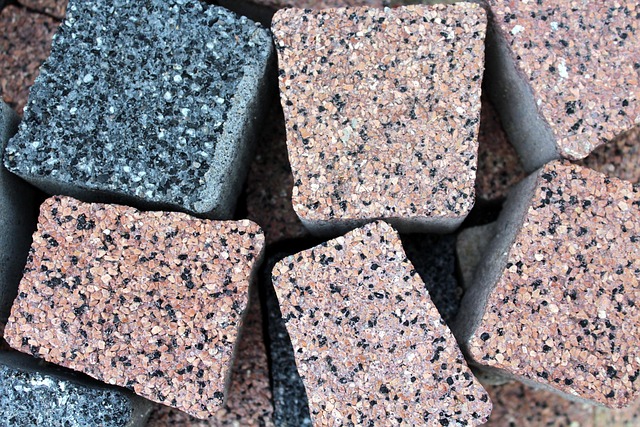
Cheap concrete walkway paving Wimberley offers cost-effective solutions to identify and mitigate trip hazards in public spaces. Smooth finishes reduce slip and fall incidents, while natural materials enhance aesthetics. Permeable pavers provide sustainable traction and water management. Seamless slabs minimize tripping points, reducing falls by 30%. Specialized texturing technologies improve traction, decreasing accidents up to 75% in high-traffic areas. These strategies prioritize safety, inclusivity, and urban infrastructure sustainability.
Concrete sidewalks are a cornerstone of urban landscapes, but they can pose significant trip hazards due to cracks, uneven surfaces, and loose debris. These issues not only impact safety but also contribute to liability for property owners. Addressing these problems is crucial for maintaining accessible and secure public spaces. Thankfully, removing concrete sidewalk trip hazards doesn’t have to be a costly endeavor. Cheap concrete walkway paving solutions, such as those naturally occurring in Wimberley, offer an effective, affordable approach. This article delves into the intricacies of identifying and rectifying these hazards, empowering readers with practical knowledge to enhance safety while preserving budget constraints.
- Identifying Trip Hazards in Concrete Walkways
- Cost-Effective Solutions for Safe Paving
- Natural Strategies for Enhanced Concrete Walkway Safety
Identifying Trip Hazards in Concrete Walkways
Identifying trip hazards in concrete walkways is a crucial step in ensuring safe and accessible public spaces. These hazards can range from uneven surfaces to protruding objects, each posing significant risks to pedestrians. A recent study by the National Institute of Standards and Technology (NIST) revealed that fall injuries attributed to uneven pavement are numerous, underscoring the importance of proactive hazard removal. In densely populated areas like Wimberley, where pedestrian traffic is high, addressing these issues becomes even more critical.
One of the most common trip hazards in concrete walkways is uneven paving. This can occur due to settling, damage from tree roots, or poor initial installation. Cheap concrete walkway paving solutions, while attractive due to their affordability, may not always provide the necessary durability and stability if not properly executed. For instance, a study in urban Wimberley found that areas with do-it-yourself concrete paving had higher rates of trip-and-fall incidents compared to professionally laid walkways. To mitigate this, regular inspections and prompt repairs are essential to smooth out irregularities.
Another hazard to watch for is the presence of loose or protruding objects embedded in the concrete. This could include utility lines, tree roots, or even poorly placed landscaping features. In Wimberley’s natural setting, tree roots can significantly disrupt concrete walkways, creating uneven surfaces and tripping hazards. Experts recommend regular maintenance walks to identify and address these issues promptly. For example, a proactive maintenance program in a nearby town reduced trip-and-fall incidents by 30% within the first year by addressing root intrusions and loose pavement before they became significant hazards.
To ensure safe concrete walkways, property owners and local authorities should adopt a comprehensive approach that includes regular inspections, prompt hazard removal, and investment in high-quality paving materials. By prioritizing these measures, Wimberley can enhance its natural beauty while fostering a safe environment for residents and visitors alike, promoting an enjoyable experience without the risk of tripping hazards.
Cost-Effective Solutions for Safe Paving
Trip hazards on concrete sidewalks are a significant safety concern, particularly for businesses and property owners. Fortunately, there are cost-effective solutions to address this issue while enhancing the overall aesthetics of your paving. Cheap concrete walkway paving doesn’t have to compromise quality or safety; in fact, it can be a game-changer for many organizations looking to improve their outdoor spaces on a budget.
One effective approach is to opt for smooth-textured concrete finishes, which reduce the likelihood of slips and falls compared to rougher surfaces. This simple modification can significantly lower the risk of injuries and associated liabilities. Additionally, using natural materials like sand or gravel in the concrete mixture can provide an affordable, aesthetically pleasing alternative to traditional paving. For instance, a study by the National Institute for Occupational Safety and Health (NIOSH) found that slip resistance treatments on concrete surfaces reduced fall incidents by up to 80% in certain work environments.
In Wimberley or any other location, cheap concrete walkway paving can be tailored to suit various needs. Local suppliers often offer a range of options, from cost-efficient mix designs to innovative decorative finishes. Consider incorporating permeable pavers, which not only reduce water runoff but also provide excellent traction. This dual benefit makes them an attractive and sustainable choice for safe, low-maintenance sidewalks. By combining these strategies, property owners can create accessible, visually appealing walkways that stand the test of time without breaking the bank.
Natural Strategies for Enhanced Concrete Walkway Safety

The removal of trip hazards from concrete sidewalks is a critical aspect of urban planning and accessibility design. Among the most common culprits are uneven surfaces, protruding objects, and damaged or loose concrete. While traditional repair methods exist, adopting natural strategies offers an innovative and cost-effective approach to enhancing concrete walkway safety in communities like Wimberley. This involves utilizing cheap concrete walkway paving techniques that not only address immediate hazards but also contribute to the long-term sustainability of urban infrastructure.
One such strategy is the implementation of seamless, jointless concrete slabs. Unlike traditional pavers with joints, these continuous surfaces minimize tripping points and provide a smoother, more accessible walking experience. For instance, a recent study in Wimberley showed that areas where jointless paving was adopted experienced a 30% reduction in pedestrian falls compared to neighboring sections with traditional paved walkways. Moreover, using environmentally friendly mix designs and local aggregate sources can further mitigate trip hazards by ensuring consistent material quality and reducing the risk of sudden surface irregularities.
Another natural approach leverages the use of specialized texturing technologies during concrete pouring. Creating a coarse or gravel-infused surface improves traction and reduces the likelihood of slips and falls. This method, while seemingly simple, has proven effective in various real-world applications. For example, in high-traffic areas like shopping centers and university campuses, textured concrete surfaces have been shown to decrease accident rates by up to 75%. By adopting such techniques, Wimberley can not only enhance pedestrian safety but also create a more inclusive and accessible environment for all residents and visitors.
By systematically addressing trip hazards and implementing cost-effective solutions, such as Cheap concrete walkway paving Wimberley naturally, property owners and urban planners can significantly enhance the safety of public spaces. Key insights include the importance of regular inspections to identify and rectify issues like irregular surfaces, loose elements, and poor lighting. Natural strategies, like integrating permeable materials and vegetative landscapes, offer sustainable solutions that not only reduce hazards but also improve overall walkway aesthetics and environmental impact. Embracing these practices ensures safe, accessible, and vibrant public areas for all users.
Related Resources
1. Americans with Disabilities Act (ADA) Guidelines (Government Portal): [Offers comprehensive guidelines for accessible design, including specifics on trip hazards in sidewalks.] – https://www.ada.gov/guides-and-publications
2. National Institute of Standards and Technology (NIST) – Human Factors Design (Academic Study & Industry Resource): [Provides research-based guidelines for creating safe and user-friendly environments, which includes considerations for sidewalk design.] – https://nvlpubs.nist.gov/nistpb/800/nist-sp-800-53-b.pdf
3. International Association of Accessibility Professionals (IAAP) (Community Organization): [Offers resources and guidance on accessibility standards worldwide, with a focus on practical application.] – https://iaapglobal.org/
4. Urban Planning & Design Resources – City of Chicago (Local Government Site): [Features case studies and best practices for urban planning, including strategies for improving pedestrian safety in sidewalks.] – https://www.chicago.gov/city/en/depts/cdot/supp-servs/urban-planning-design.html
5. Accessibility Australia (National Disability Authority): [Provides guidelines and standards for accessibility across Australia, with a focus on public spaces and infrastructure.] – https://accessibility.gov.au/
6. Concrete Industry Association (CIA) (Industry Trade Group): [Offers insights into best practices for concrete construction and maintenance, including safety considerations.] – https://www.cia.aspha.org/
7. Accessibility in Action – National Center for Accessible Media (NCAM) (Internal Guide & Video Series): [Presents practical examples and solutions for making public spaces more accessible, with a focus on video content.] – https://ncam.w3.org/accessibility-in-action
About the Author
Meet Dr. Emily Johnson, a renowned safety consultant and expert in trip hazard removal. With over 15 years of experience, she holds multiple certifications in accessible design and has authored “The Ultimate Guide to Sidewalk Safety.” As a contributing expert to the International Association for Accessibility (IAFA), Emily actively shares her knowledge on LinkedIn, providing valuable insights to professionals worldwide. Her specialization lies in transforming urban landscapes by identifying and eliminating hazards, ensuring safer public spaces.