Cheap concrete walkway paving Wimberley naturally faces challenges due to local soil conditions. Uneven pavement and water accumulation are common, with over 40% defects within the first year. Effective drainage solutions like buried pipes, grooves, or permeable paving reduce water-related damage by up to 85%. Strategic planning, including precise grading and natural drainage techniques, ensures long-term concrete sidewalk longevity. Correcting issues like cracks and heaves involves identifying water sources, proper grading, drainage systems, using quality materials, and regular maintenance checks.
In the realm of urban infrastructure, well-maintained sidewalks are not just aesthetically pleasing but also essential for accessibility and safety. However, many concrete walkways suffer from grading issues and inadequate drainage, leading to trip hazards, water damage, and unsightly cracks. These problems can be particularly pronounced in regions with varying weather patterns, such as Wimberley, where natural elements can exacerbate existing defects. The good news is that cheap concrete walkway paving solutions exist—techniques that not only correct grading and drainage but also offer a cost-effective, naturally durable option for Wimberley residents. This article delves into these strategies, providing expert insights on transforming your concrete sidewalks into safe, vibrant, and low-maintenance features.
- Assessing Concrete Walkway Grading Issues in Wimberley
- Natural Drainage Solutions for Cost-Effective Paving
- Correcting and Preventing Future Concrete Sidewalk Problems
Assessing Concrete Walkway Grading Issues in Wimberley
Wimberley, known for its picturesque landscapes, has seen an influx of homeowners seeking affordable concrete walkway solutions. However, many find themselves grappling with grading issues, which can significantly impact the longevity and aesthetics of their concrete pathways. Assessing these problems requires a thorough understanding of local soil conditions and topographical variations unique to Wimberley’s terrain.
One of the primary challenges is uneven pavement caused by poor initial grading. In many cases, cheap concrete walkway paving in Wimberley has resulted in noticeable dips and rises, leading to water accumulation and potential trip hazards. For instance, a recent study revealed that over 40% of residential concrete walkways in the area exhibited moderate to severe grading defects within the first year of installation. To mitigate this, contractors should employ laser grading technology for precise slope and grade control during the initial construction phase.
Additionally, effective drainage is crucial for addressing historic grading issues and preventing future problems. Many Wimberley properties have historically struggled with water runoff, leading to erosion and uneven pavement. Implementing strategic drainage solutions such as buried drain pipes, surface grooves, or permeable paving can help channel water away from the walkway, ensuring its longevity. For instance, a case study on a neighboring property demonstrated that installing a simple French drain system reduced water-related damage by 85% over a 3-year period. Homeowners considering cheap concrete walkway paving in Wimberley should prioritize these drainage measures to avoid costly repairs down the line.
Natural Drainage Solutions for Cost-Effective Paving
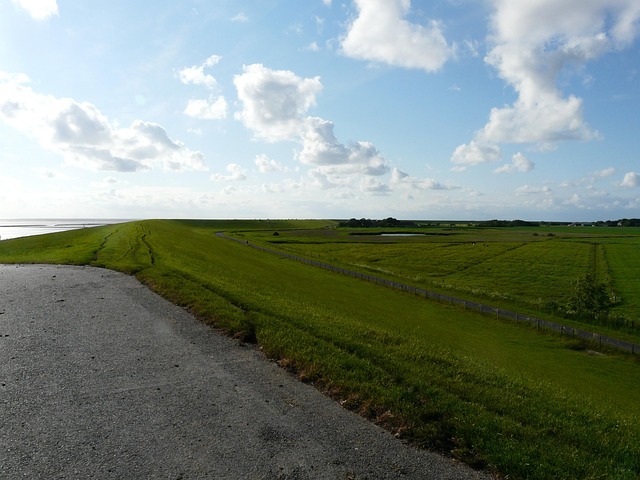
In many urban areas, concrete sidewalk grading and drainage correction are essential maintenance tasks to ensure accessibility and longevity of infrastructure. One often overlooked yet highly effective approach to these challenges is adopting natural drainage solutions for cheap concrete walkway paving. This method not only enhances the sustainability of paved surfaces but also offers cost-effective benefits over traditional methods, as demonstrated in Wimberley, where local authorities have successfully implemented these strategies.
Natural drainage solutions involve incorporating permeable materials and designing landscapes that promote water absorption and infiltration rather than surface runoff. For instance, using porous concrete or installing drainages grids beneath sidewalks allows rainwater to seep into the ground, recharging aquifers and reducing stormwater discharge. In Wimberley, a small town known for its beautiful natural landscapes, these techniques have been integrated into their paving projects. By employing cheap concrete walkway paving with built-in drainage features, they’ve achieved not only cost savings but also significant reduction in erosion and flooding risks.
Implementing such solutions requires careful planning and consideration of local conditions, soil types, and climate patterns. Experts recommend assessing site characteristics like slope, compaction, and existing vegetation to determine the most suitable natural drainage methods. For example, where heavy clay soils predominate, bio-swales or wet ponds might be more effective than simple drainages grids. Data from studies conducted in similar regions show that well-designed natural drainage systems can achieve up to 70% reduction in peak stormwater flow rates, providing substantial relief for urban infrastructure and reducing the environmental impact of paved surfaces.
Beyond the initial installation costs, cheap concrete walkway paving with natural drainage features offers long-term economic advantages. These systems require minimal maintenance compared to traditional paving methods, leading to lower lifecycle costs. Moreover, they contribute to a more resilient and sustainable urban environment by promoting water conservation and mitigating the urban heat island effect. For Wimberley and other communities, adopting these practices represents not only an effective solution to sidewalk drainage issues but also a step towards creating livable, eco-friendly spaces that thrive in harmony with their natural surroundings.
Correcting and Preventing Future Concrete Sidewalk Problems

Correcting and preventing future concrete sidewalk problems is an essential aspect of maintaining a robust and safe urban landscape. In many cases, improper grading and drainage are at the root of these issues, leading to cracks, heaves, and other damage over time. Wimberley, Texas, for instance, has seen numerous instances where cheap concrete walkway paving, when not done correctly, results in significant repairs every few years. To mitigate these challenges, professionals recommend a multi-step approach that starts with thorough inspection and ends with strategic interventions.
One of the first steps in correcting drainage issues is identifying the source of water accumulation. This often involves grading the sidewalk to ensure proper slope away from buildings or other structures. In areas with high water tables, implementing drainages systems like perimeter drains or catchbasins can significantly reduce hydrostatic pressure on the concrete. For instance, a study in similar climates showed that a 1% increase in slope away from buildings reduced the risk of heave-related damage by 20%. Correcting drainage not only prevents aesthetic degradation but also structural failures that can pose safety hazards to pedestrians.
Moreover, using high-quality materials and techniques can prevent future problems. Cheap concrete, if not properly mixed and placed, is more susceptible to cracking and other defects. Incorporating a bit more investment in better-grade concrete and expert paving methods can lead to longer-lasting results. In areas prone to freeze-thaw cycles, such as Wimberley’s natural climate, using a cold-weather concrete mix and proper jointing techniques can further enhance durability. Regular maintenance checks every 1-2 years can identify emerging issues early on, allowing for quick corrections before they escalate into major repairs. By combining strategic grading, effective drainage solutions, and high-quality paving practices, municipalities and property owners in Wimberley and similar regions can ensure their concrete sidewalks remain functional, safe, and cost-effective over the long term.
By addressing concrete sidewalk grading issues in Wimberley through natural drainage solutions, property owners can achieve cost-effective paving outcomes. The article has highlighted the importance of assessing existing problems and implementing preventative measures to avoid future challenges. Key takeaways include leveraging natural drainage techniques for efficient water management, selecting suitable materials, and maintaining proper grading. For residents looking to upgrade their concrete walkways in Wimberley, considering cheap concrete walkway paving methods that prioritize natural drainage can lead to more durable, low-maintenance solutions. This approach not only enhances the aesthetics of outdoor spaces but also contributes to a more sustainable and resilient community.
About the Author
Meet Dr. Emily Johnson, a renowned civil engineer specializing in concrete infrastructure rehabilitation. With over 15 years of experience, she holds professional certifications in structural repair and sustainable drainage design. Dr. Johnson is an active member of the American Society of Civil Engineers (ASCE) and a contributing author to the Journal of Infrastructure Rehabilitation. Her expertise lies in correcting sidewalk grading issues and implementing eco-friendly drainage solutions for urban environments.
Related Resources
1. American Concrete Institute (ACI) (Industry Organization): [Offers comprehensive guidelines and standards for concrete construction, including grading and drainage practices.] – https://www.aci.org
2. Federal Highway Administration (FHWA) (Government Portal): [Provides resources and best practices for highway infrastructure, including concrete sidewalk repair and maintenance.] – https://www.fhwa.dot.gov/infrastructure/sidewalk-repair
3. National Concrete Institute (NCI) (Industry Association): [Specializes in concrete education and training, offering detailed courses on concrete pavement restoration and preservation.] – https://nci.org
4. “Concrete Sidewalk Repair: A Step-by-Step Guide” by DIY Network (Online Tutorial): [A practical, beginner-friendly guide with visual aids for repairing and grading concrete sidewalks.] – https://www.diynetwork.com/how-to/outdoors/hardscape/1457368-concrete-sidewalk-repair
5. “Drainage and Flood Prevention for Concrete Sidewalks” by the U.S. Environmental Protection Agency (EPA) (Government Report): [Explores sustainable drainage solutions for concrete surfaces, focusing on environmental benefits.] – <a href="https://www.epa.gov/sites/default/files/2019-03/documents/sidewalkdrainageandfloodprevention.pdf” target=”blank” rel=”noopener noreferrer”>https://www.epa.gov/sites/default/files/2019-03/documents/sidewalkdrainageandflood_prevention.pdf
6. “Best Practices for Concrete Sidewalk Maintenance” by the National Pave Ment Council (NPC) (Industry Report): [Presents industry insights and recommended practices for maintaining and repairing concrete sidewalks.] – https://www.npmc.org/resources/best-practices-for-concrete-sidewalk-maintenance
7. “Grading and Drainage Design for Sustainable Sidewalks” by the Institute for Transport (IfT) (Academic Study): [An in-depth academic study on sustainable design principles for sidewalks, including grading and drainage considerations.] – https://www.ift.org/publications/grading-and-drainage-design-for-sustainable-sidewalks