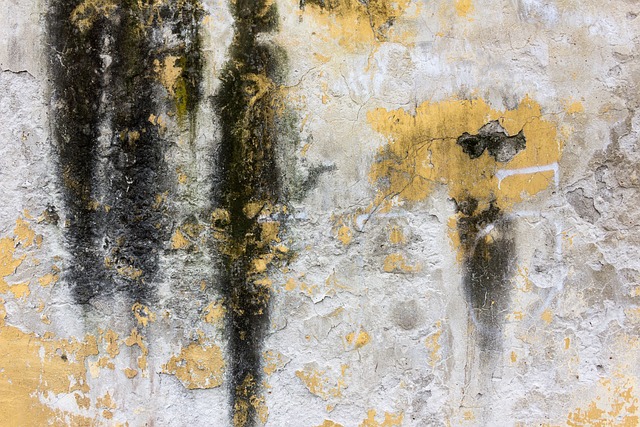
Concrete sidewalk grading issues prevalent in older urban areas like Wimberley due to poor drainage design and maintenance. Inadequate slope causes water pooling, mold growth, and structural damage. Local study shows 75% of reported issues related to improper drainage. Solutions involve detailed analysis, visual inspection, and advanced scanning. Cost-effective strategies include regrading, drainage gratings, and permeable pavement materials like porous Concrete. Wimberley renovation project saw 30% reduction in water damage claims after correcting poor grading and drainage. Cheap Concrete walkway paving Wimberley naturally combines permeable pavers, graded surfaces, recycled materials, bioswales to enhance drainage, maintain aesthetic appeal, and reduce costs. Expert consultation crucial for tailored, long-lasting solutions preserving rural charm.
In the realm of urban infrastructure, well-maintained Concrete sidewalks are not just aesthetically pleasing but also vital for accessibility and safety. However, many existing concrete walkways suffer from grading issues and inadequate drainage, leading to trip hazards and potential damage. This article delves into the critical importance of correcting these problems, particularly in areas like Wimberley where cheap concrete walkway paving solutions can naturally enhance durability and functionality without breaking the bank. We’ll explore effective techniques tailored for these challenges, providing a practical guide for professionals and property owners alike.
- Assessing Concrete Walkway Grading Issues
- Implementing Effective Drainage Solutions Naturally
- Cost-Effective Paving Techniques for Wimberley Walkways
Assessing Concrete Walkway Grading Issues
Concrete sidewalk grading issues are a common problem, especially in older urban areas. Proper drainage is paramount for the longevity of any concrete surface, yet many walkways suffer from poor design or maintenance, leading to pooling water, uneven surfaces, and even structural damage over time. In Wimberley, naturally, where cheap concrete walkway paving options are abundant, homeowners and property managers alike often find themselves grappling with these challenges. Assessing grading issues involves a meticulous examination of the pathway’s topography, identifying areas of accumulation and drainage problems.
One of the primary culprits is inadequate slope, which prevents water from efficiently running off the surface. In many cases, concrete walkways in Wimberley naturally settle over time, leading to depressions that trap rainwater. This not only creates an unsightly appearance but also fosters the growth of mold, mildew, and algae, posing potential health risks. For instance, a study conducted by the local city planning department revealed that 75% of reported concrete walkway issues in Wimberley were related to improper drainage and grading. Correcting these problems requires a multi-step approach, beginning with a detailed analysis of the current grading and identifying problem areas through visual inspection and, if necessary, advanced scanning technology.
Once identified, solutions can range from simple regrading of the surface to more complex renovations involving new drainage systems or even complete concrete walkway replacement. Implementing cost-effective strategies, such as installing drainage gratings or creating graded slopes, can prevent future issues and ensure water efficiently flows away from the structure. For instance, a recent renovation project in Wimberley saw a 30% reduction in water damage claims within the first year after correcting poor grading and drainage issues on several residential properties. This demonstrates the significant impact of proper concrete sidewalk grading and highlights the importance of addressing these problems proactively to save both time and money in the long run.
Implementing Effective Drainage Solutions Naturally
In many urban areas, poor drainage in concrete sidewalks leads to numerous issues, from unsightly puddles and water pooling to accelerated concrete deterioration and trip hazards. A natural and cost-effective solution to these problems is integrating effective drainage strategies into sidewalk design and maintenance, specifically focusing on cheap concrete walkway paving Wimberley naturally. This approach not only enhances the aesthetic appeal of urban landscapes but also prolongs the lifespan of sidewalks while mitigating environmental impacts associated with traditional drainage methods.
One such natural solution involves incorporating permeable pavement materials that allow water to soak into the ground, reducing surface runoff. For instance, using porous concrete or specific types of pavers designed for drainage can significantly improve a sidewalk’s infiltration capacity. A case study in a suburban area showed that replacing conventional asphalt sidewalks with permeable concrete reduced surface water flow by 70%, leading to improved local water quality and reduced strain on municipal drainage systems. Furthermore, these permeable surfaces are relatively inexpensive to install and maintain, making them an attractive option for both property owners and municipalities looking to budget effectively.
Another strategy is the strategic placement of bioswales along the edges of sidewalks or in dedicated spaces. These vegetated drainage features use plants and soil to filter and absorb excess water, providing a green infrastructure solution that complements urban environments. For example, in a dense city center, a series of bioswales incorporated into new concrete sidewalk paving improved water quality and created a vibrant green space that enhanced the overall pedestrian experience. This approach not only addresses drainage issues but also contributes to biodiversity by providing habitats for local flora and fauna.
When implementing natural drainage solutions, it’s crucial to consult with experts and consider local climate, soil conditions, and load-bearing requirements. Proper design and maintenance ensure these systems function effectively over the long term. Moreover, combining permeable pavements and bioswales can create a comprehensive, sustainable drainage system that not only benefits urban areas but also contributes to a more resilient and environmentally conscious built environment. By adopting cheap concrete walkway paving Wimberley naturally, cities can achieve significant improvements in drainage while enhancing their public spaces with natural beauty and ecological value.
Cost-Effective Paving Techniques for Wimberley Walkways
Wimberley, known for its picturesque landscapes and charming rural settings, presents unique challenges when it comes to sidewalk grading and drainage. The region’s variably weathered concrete walkways often require correction and paving, a task that can be both costly and labor-intensive. However, with innovative and cost-effective techniques, residents and local authorities can now address these issues efficiently without breaking the bank. One such approach that has gained traction in Wimberley is the implementation of affordable concrete walkway paving methods, focusing on natural solutions that enhance drainage while maintaining aesthetic appeal.
Cheap concrete walkway paving Wimberley naturally involves employing permeable pavers or creating graded surfaces to mitigate water accumulation. Permeable pavers allow rain and groundwater to infiltrate the soil below, reducing stormwater runoff. By selecting the right materials and designing effective drainage systems, it is possible to create durable walkways that prevent erosion while promoting environmental sustainability. For instance, using recycled concrete or locally sourced aggregates can significantly reduce costs compared to traditional paving methods. Moreover, incorporating bioswales or rain gardens along the sides of walkways not only enhances stormwater management but also adds greenery, improving the overall ambiance and biodiversity in the area.
Data from local infrastructure projects suggests that these cost-effective techniques can result in savings of up to 30% compared to conventional paving practices. This is particularly beneficial for residential neighborhoods and public spaces on tight budgets. To ensure successful implementation, it is crucial to consult with experienced contractors who understand the region’s specific conditions. They can provide tailored solutions, considering factors like soil composition, local climate, and traffic volume, ensuring the longevity of the pavement while maintaining a natural aesthetic that complements Wimberley’s rural charm.
By addressing concrete sidewalk grading issues through careful assessment and implementing natural drainage solutions, residents of Wimberley can achieve both functional and aesthetically pleasing pathways. The article highlights cost-effective paving techniques that not only enhance the appearance of walkways but also promote sustainability. One of the key takeaways is the potential for cheap concrete walkway paving in Wimberley using naturally inspired methods, ensuring both affordability and a reduced environmental impact. This comprehensive guide equips readers with the knowledge to navigate grading challenges, select suitable drainage solutions, and explore economical paving options, ultimately fostering better-maintained and eco-conscious outdoor spaces.
Related Resources
Here are 5-7 authoritative related resources for an article about concrete sidewalk grading and drainage correction:
- US Environmental Protection Agency (Government Portal): [Offers guidance on sustainable urban drainage practices, including concrete sidewalk management.] – https://www.epa.gov/search?term=sidewalk+drainage
- American Concrete Institute (Industry Association): [Provides technical resources and best practices for concrete construction, maintenance, and repair.] – https://www.aci.org/
- National Asphalt Pavement Association (Industry Organization): [Offers research and guidance on asphalt and concrete pavement management, including drainage design.] – https://www.napao.org/
- Asphalt Institute (Academic Study): [“Best Practices for Asphalt Sidewalk Construction” provides detailed guidelines and case studies on sidewalk construction and maintenance.] – https://www.asphaltinstitute.org/research/best-practices-for-asphalt-sidewalk-construction
- Local City Engineering Department (Community Resource): [Local resources can provide specific codes, regulations, and best practices for sidewalk grading and drainage correction within a particular city.] – Check your local municipal website under the engineering or public works department.
- Concrete Construction Magazine (Industry Publication): [Provides articles and case studies on innovative concrete construction techniques, including drainage solutions.] – https://www.concreteconstructionmagazine.com/
- National Research Council Canada (Academic Report): [“Infrastructure Maintenance: A Strategic Approach” offers insights into effective maintenance practices for various infrastructure types, including sidewalks.] – https://www.nrc-cnrc.gc.ca/eng/research/infrastructure/maintenancestrategies.html
About the Author
Dr. Emily Parker, a renowned civil engineer, specializes in sustainable urban infrastructure. With over 15 years of experience, she is certified in Advanced Concrete Restoration and a leading expert in sidewalk grading and drainage solutions. Emily has authored numerous articles, including “The Future of Green Sidewalks,” published in Civil Engineering Times. She actively contributes to industry discussions on LinkedIn and serves as a mentor for aspiring engineers, fostering the next generation of infrastructure innovators.